Finance
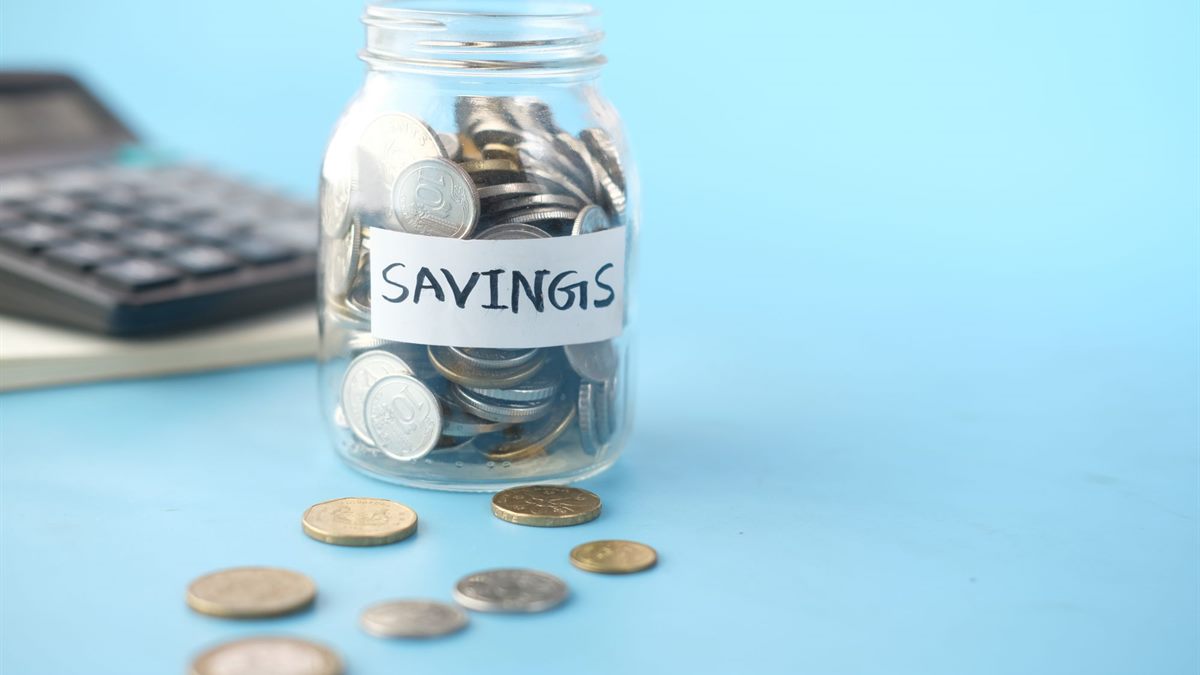
Build an Emergency Fund Before Anything Else
An emergency fund is not an investment. It is the buffer that stops a bad month from becoming a debt that follows you for years.
Read MoreCategory
Money problems are rarely about a single decision. They are about the order: what you save first, which balance you attack, and how much buffer you keep.
These guides cover the first two moves that make a household financially stable.
An emergency fund is not an investment. It is the buffer that stops a bad month from becoming a debt that follows you for years.
Read MoreTwo payoff methods work. The difference is whether you need the cheapest total or the fastest motivation, and most people need one more than the other.
Read MoreThe 50/30/20 rule is a quick way to see whether a budget is balanced. It is a starting point, not a law.
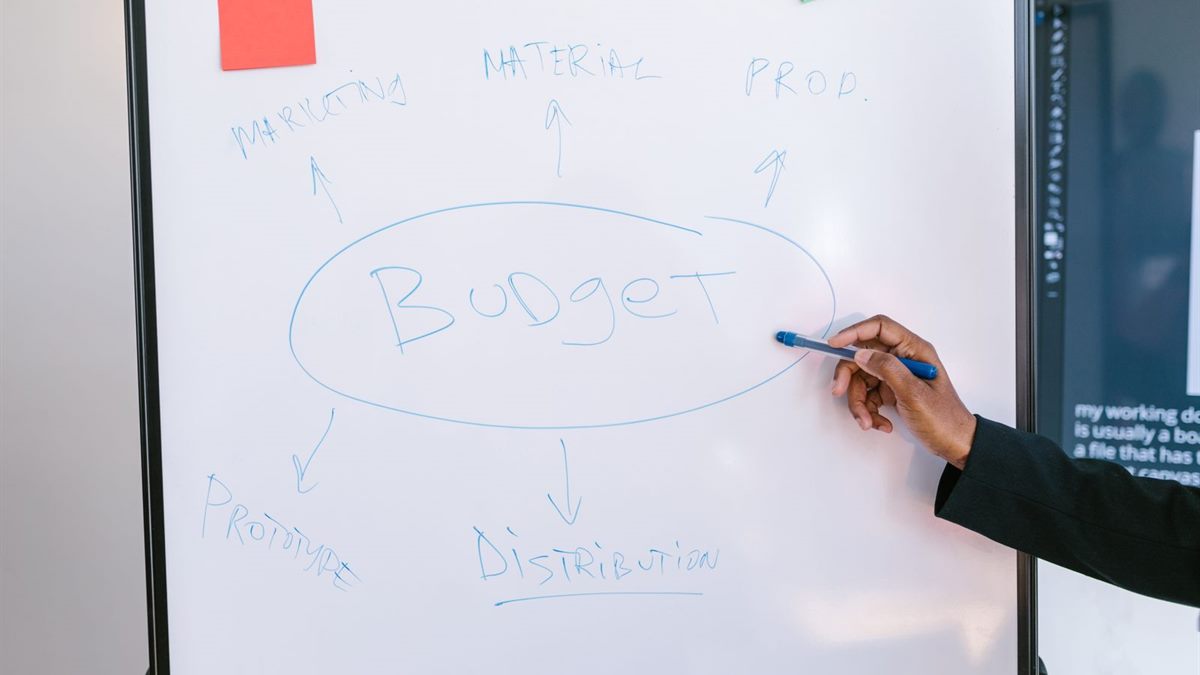
Read MoreZero-based budgeting is not about spending nothing. It is about deciding where every pound goes before the month starts.
Read MoreMost financial emergencies are predictable. A sinking fund turns a future bill into a small monthly transfer.
Read MoreRent affordability is decided by take-home pay and total living costs, not by what a letting agent says you can borrow.
Read MoreThe grocery bill is mostly decided before you enter the shop: by the plan, the list, and what is already in the fridge.
Read MoreSubscriptions are designed to be forgotten. One evening with a bank statement fixes a year of quiet overspending.
Read MoreA first credit card is a tool for building a payment history, not a source of extra money.
Read MoreA payslip is a record of what you earned and what was taken. Most errors are small and repeat every month.
Read MoreMost bank fees are avoidable with a few settings. The rest are a sign the account is wrong for how you use it.
Read MoreA deposit is a large number, which is why it needs a monthly number. Set the date and work backwards.
Read MoreIrregular income needs a buffer, not a stricter budget. Pay yourself a steady amount from a holding account.
Read MoreMost money arguments are about expectations, not amounts. A monthly review turns a fight into a routine.
Read MoreInsurance is priced around risk. A cheaper policy is fine if the cover still matches what you cannot afford to lose.
Read MoreMost bills are negotiable at renewal. A short call with a competitor quote in hand often beats switching.
Read MoreBuy now pay later feels free because the cost is spread over weeks. The risk is that five small plans add up to one large commitment.
Read MoreChildren learn money by using it, not by hearing about it. A small allowance and clear choices do most of the work.
Read MoreA big purchase is easier to get right when the decision is separated from the day you first wanted it.
Read MoreNet worth is the simplest scoreboard for financial progress. One number, once a month, and a trend you can trust.
Read More