Teaching Kids About Money Without Lectures
Children learn money by using it, not by hearing about it. A small allowance and clear choices do most of the work.
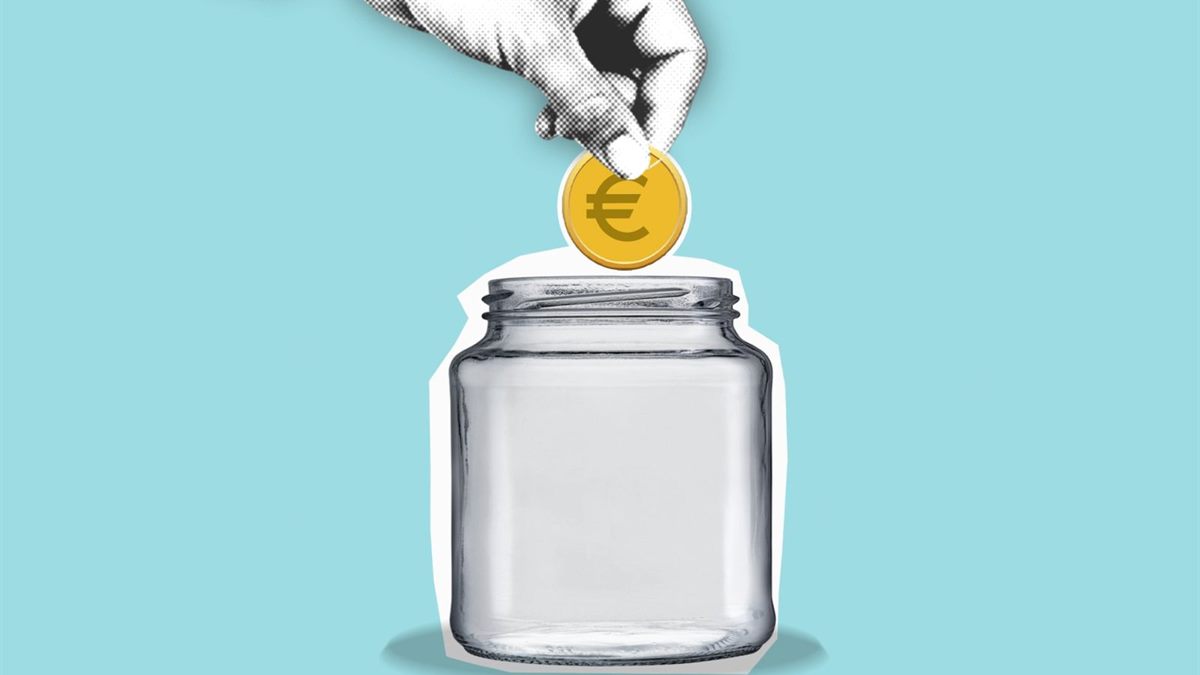
Start with a small, regular allowance so the child can practise deciding. Use three jars or accounts: spend, save, and give. Write the figures down before deciding anything, because a plan based on a feeling is not a plan.

Work out the real numbers
Let the child make small mistakes with low stakes, which teaches more than warnings. Set a saving goal that is reachable within a few weeks, not months. The order of operations matters more than the size of each step, especially in the first year.
Set a rule you can keep
Show the price difference between similar items in the shop. Talk about choices rather than deprivation, such as this or that, not yes or no. A rule that needs willpower every day will fail; a rule that runs automatically will not.
Before changing anything, gather the numbers in one place: income, fixed costs, debts, and the balance of every account you use. Most money decisions go wrong because one regular cost was forgotten rather than because the plan was unreasonable. Give the plan a month before judging it, and compare the result with the estimate instead of with how it felt. A small correction made early is cheaper than a large one made later.
Include children in small household decisions, like comparing two brands. Keep the buffer separate from the spending account so that a good month does not become a bigger month.
What to check this month
- Give a small regular allowance
- Use spend, save, and give jars
- Set short saving goals
- Talk about choices, not bans
Avoid the common traps
Explain that cards and phones represent money that has already been earned. Avoid tying every chore to money, since some tasks are part of living in a household. Small leaks are easier to fix than large ones, and they are usually the reason a budget never balances.
Pay the allowance on time, because reliability teaches planning. Let older children manage a clothing or activity budget with guidance.
Review it every month
Model the behaviour you want, since children notice how adults spend. Discuss advertising and why shops place sweets near the till. Review the numbers on the same day each month, and change one thing at a time.
If a month goes badly, look for the single largest cause before changing the whole system. Financial plans usually fail because of one recurring cost or one irregular month, not because every category was wrong. Keep the parts that worked, adjust the part that did not, and write the change down. The aim is a plan that survives an ordinary month, not one that only works in a good one.
Keep the lessons short and occasional rather than a single serious conversation. Celebrate the saving habit, not just the purchase. The goal is confidence with small amounts, which scales later. If you want the wider picture, read Planning a Big Purchase Without Regret before you decide.
For the underlying guidance, see the Consumer Financial Protection Bureau guidance.
Frequently Asked Questions
At what age should children get an allowance?
Around six or seven, when they can understand counting and choosing. The amount matters less than the routine.
Should allowance be tied to chores?
Some chores are household responsibilities. A small allowance can be separate, with extra jobs paid separately.
How do I teach saving?
Use a visible goal and a short timeline. A jar or a chart works better than a lecture.
Should children use debit cards?
Later, with a small balance and supervision. The habit of checking a balance matters more than the card.