How to Budget a Kitchen Renovation Without Surprises
A kitchen renovation overruns because the budget starts with cabinets and forgets labour, contingency, and the cost of living without a kitchen.
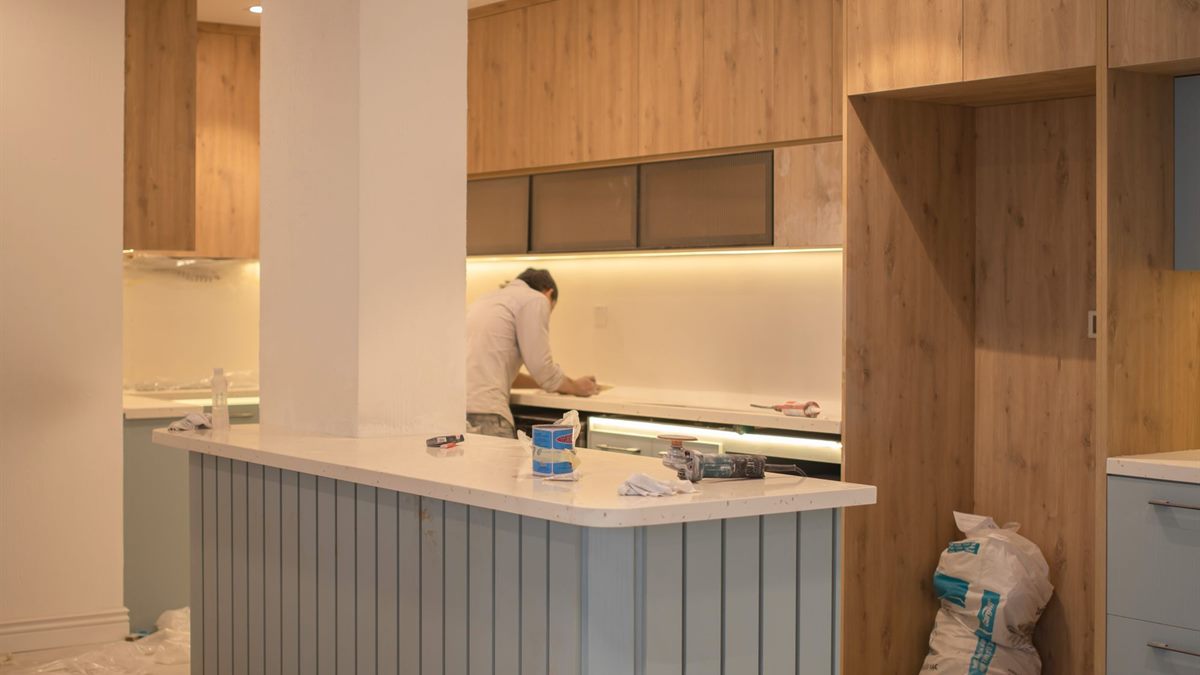
Kitchen budgets usually fail in the same place: the plan is built from the visible parts, and the invisible parts arrive later. Labour, disposal, temporary cooking arrangements, and the extra work that appears when a wall is opened all cost money. Build the budget around the whole project, not the showroom list.
Start with the fixed split
A workable starting point is roughly a third for cabinets and worktops, a third for appliances and fittings, and a third for labour and installation. The split shifts with the project: a cosmetic refresh spends more on surfaces, a full layout change spends more on labour and trades.
Adjust the split to your actual quote rather than forcing the quote into the split. The point is to see whether one category is quietly consuming the budget.
Contingency is not optional
Set aside ten to fifteen percent of the total for the things that are only discovered once work starts: old wiring, a hidden leak, a floor that is not level. A kitchen is one of the rooms where surprises are normal.
Keep the contingency in a separate pot and do not spend it on upgrades. If it survives to the end, it becomes the buffer for the first year of living with the new kitchen.
Compare quotes line by line
- Ask for a breakdown by trade, not one total figure.
- Check what is excluded: waste removal, making good, and painting.
- Confirm the payment schedule and retention amount.
- Ask who arranges building control or inspection sign-off.
- Get the timeline in writing with a start and finish date.
A cheaper quote that excludes waste removal and making good is often the more expensive option once those are added back.
The cost of living without a kitchen
Weeks of takeaway meals, a temporary sink, and a fridge in another room all cost money and patience. Add a realistic line for temporary arrangements, and plan meals that need only a kettle and a microwave.
If the work happens in winter, confirm heating and hot water will remain available. A contractor who cannot answer that question has not planned the sequence.
Where to spend and where to save
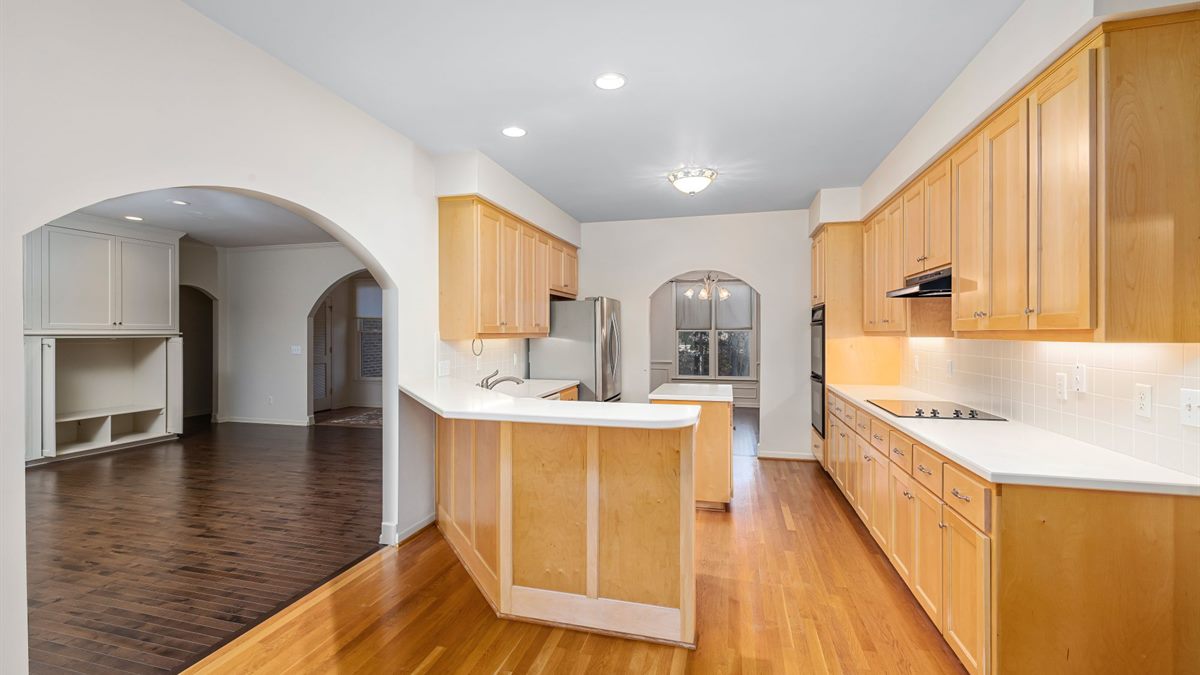
Spend on the parts that are hard to change later: the layout, the plumbing positions, and the quality of the carcasses. Save on the parts that can be replaced in a weekend: handles, taps, lighting, and paint.
Keep a written specification with model numbers and finishes. Verbal choices drift, and a drift discovered after delivery is a return you will pay for. The National Association of Home Builders publishes general guidance on planning and contracting that is useful before signing.
If the storage problem is smaller than a renovation, the guide to small bathroom storage covers the same measure-first approach on a much smaller budget.
Finally, agree on a change process before work starts. Any change after the order is placed costs time and money, so write down who can approve a variation and what it will cost. A contractor who is clear about that is easier to work with than one who says yes to everything and invoices later.
Frequently Asked Questions
How much contingency should a kitchen renovation have?
Ten to fifteen percent of the total is a sensible starting point. Kitchens often hide wiring, plumbing, or floor problems that are only found once work begins.
Should I choose the cheapest quote?
No. Compare line by line and check what is excluded, such as waste removal and making good. The cheapest quote can become the most expensive once missing items are added.
How long does a kitchen renovation take?
A straightforward replacement can take two to four weeks; a layout change with new services takes longer. Get a written start and finish date, and plan for temporary cooking.
Where can I save money in a kitchen renovation?
Save on items that are easy to replace later: handles, taps, lighting, and paint. Spend on the layout, services, and cabinet carcass quality.