Painting a Room Quickly Without a Mess
A fast paint job is mostly preparation and a good cutting-in line. The painting itself takes less time than most people expect.
Move the furniture to the middle and cover it, because moving around it wastes more time than moving it once. Wipe the walls with a damp cloth and let them dry, since paint adheres poorly to dust and kitchen film. Start by writing down what the room must do, not what it looks like on a shop shelf.
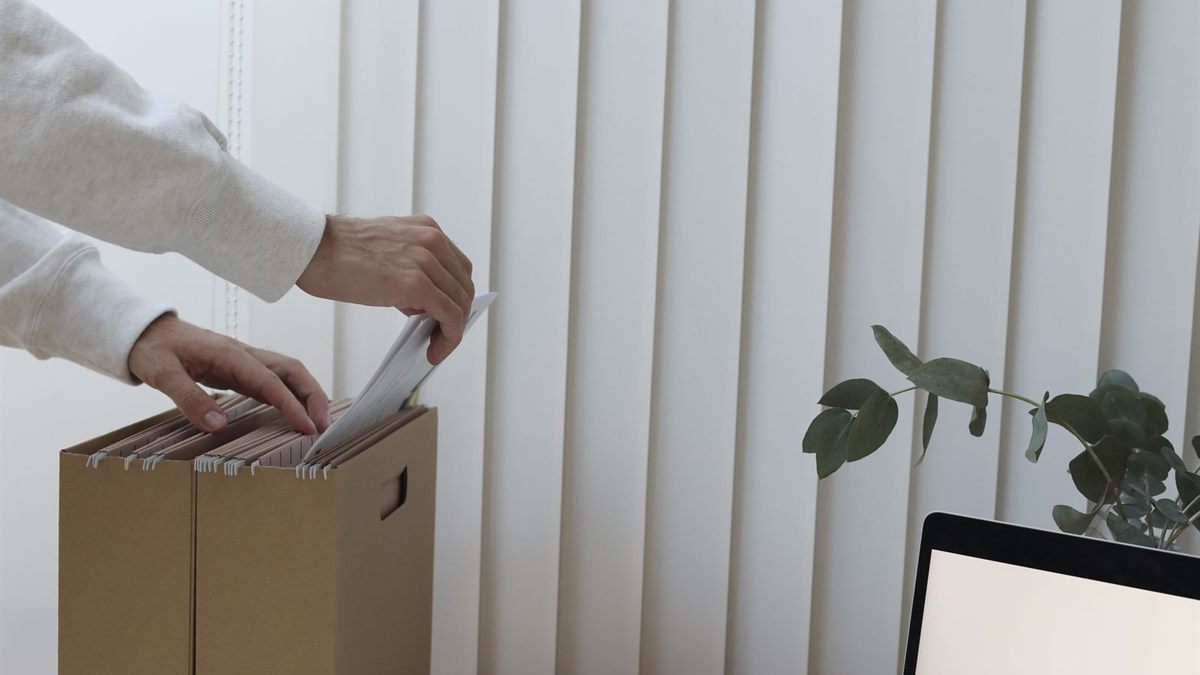
Measure the space first
Fill small holes and sand the filler flush before painting, because paint highlights every defect it covers. Use tape only where the line is genuinely difficult, as tape takes time to apply and can pull fresh paint. The cheapest option is usually the one that matches the measurements you already took.
Choose the simplest fix
Cut in a band along the ceiling and corners with a brush, then roll into the wet edge to avoid a visible seam. Paint one wall at a time and keep a wet edge, because a half-dry edge shows as a line under most lighting. Small rooms punish deep furniture and reward anything that uses height instead of floor area.
Before buying anything, walk the room and note the measurements, the light, and the route people actually take. Most home projects fail because the plan was made in a shop rather than in the room itself. A five-minute survey saves a return trip and often changes the choice completely. Keep the receipt until the item is fitted and working, and photograph the finished result.
A medium pile roller suits most interior walls, while a smooth roller is better for doors and trim. A fix that needs a ladder or a special tool every week will stop being used within a month.
A short checklist before you start
- Clear and cover the room first
- Fill and sand before painting
- Keep a wet edge on every wall
- Remove tape before the paint cures
Watch the moisture and the fixings
Stir the paint thoroughly and use a tray with a grid, since uneven paint and too much on the roller cause drips. Two thin coats cover better than one thick coat and dry faster, especially in a cool room. Write the plan down and give it a deadline, because home jobs expand to fill the free time available.
Keep a damp cloth nearby for drips, because a drip removed immediately leaves no mark. Ventilate the room but avoid a strong draught directly on the wall, which can dry the surface unevenly.
Make it easy to maintain
Remove the tape while the paint is still slightly soft, before it fully cures. Wait the full drying time between coats, even if the wall feels dry to the touch. Buy the fittings before the furniture, since the fixing decides whether the idea is possible at all.
If the first attempt does not solve the problem, change one variable rather than starting over. Home improvements are usually a sequence of small corrections, not a single perfect decision. Give each change a week before judging it, and write down what you did so the next adjustment starts from evidence rather than memory. Stop when the room works, not when it looks like a catalogue.
Keep the leftover paint labelled with the room and date, since touch-ups are easier than a new colour match. Clean brushes and rollers properly the same day, because a dried roller is a replacement, not a cleaning job. The room is finished when the edges are sharp and the floor is clean, not when the last coat goes on. Keep the room warm but not hot, because fast drying leaves brush marks that show in side light. A second pair of hands makes cutting in faster, but one careful painter still beats two careless ones. If you want the wider picture, read Small Bathroom Storage That Actually Works before you decide.
For the underlying guidance, see the InterNACHI home maintenance guidance.
Frequently Asked Questions
How long does it take to paint a room?
A standard room usually takes a weekend including preparation and two coats. Drying time, not painting time, sets the schedule.
Do I need to sand before painting?
Sand filled areas and any glossy surface. Clean walls in good condition usually need only cleaning and a primer spot.
Should I use tape for edges?
Only where the line is difficult. A steady brush line is faster and does not risk pulling fresh paint.
How many coats do I need?
Two thin coats for most colour changes. A dramatic colour change may need a tinted primer first.