Small Bathroom Storage That Actually Works
A small bathroom has more usable space than it appears, but only if you measure first and respect the moisture that ruins cheap storage.
Small bathrooms fail at storage for a predictable reason: everything is placed at waist height, and the walls above and below go unused. The fix is not more furniture. It is measuring the room, deciding what must live there, and using height without making the space feel smaller.
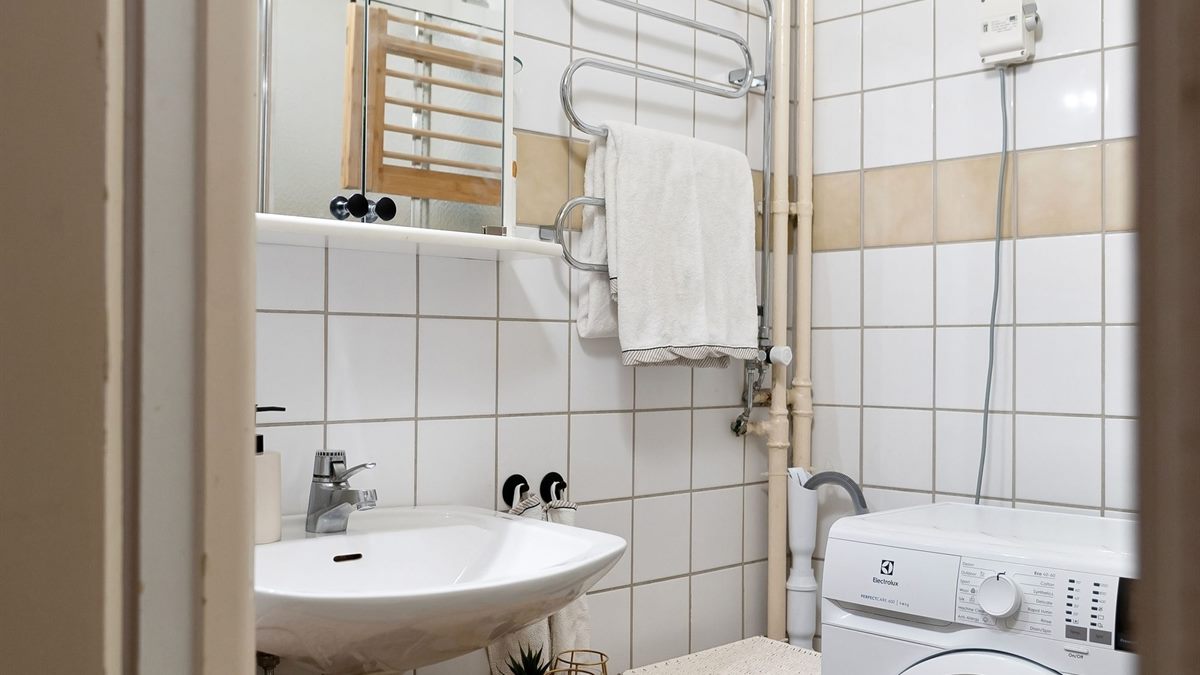
Measure before you buy
Note the width of every wall, the distance from the floor to the sink, the swing of the door, and the height of the mirror. A shelf that blocks the door or crowds the sink is a shelf you will remove. Photograph each wall with a tape measure in frame; it saves a second trip to the shop.
Check the depth available above the toilet and beside the basin. Many storage units are deeper than the gap, which is why they end up returned.
Use the vertical space first
A tall narrow unit beside the sink holds more than several small boxes on the floor, because it uses height without taking floor area. Wall-mounted shelves above eye level store spare towels and bottles that are used weekly rather than daily.
Keep daily items within easy reach and put the rest higher. A shelf you need a stool for is fine for spare toilet paper and poor for the toothbrush.
Control moisture before you add furniture
- Run the extractor fan during and after every shower.
- Leave the door open after use if the fan is weak.
- Choose moisture-resistant materials for shelves and baskets.
- Avoid untreated particle board near the shower.
- Wipe the base of bottles and trays to prevent rings and mould.
Ventilation protects both the storage and the room. The InterNACHI guide to bathroom ventilation explains the airflow a fan should provide.
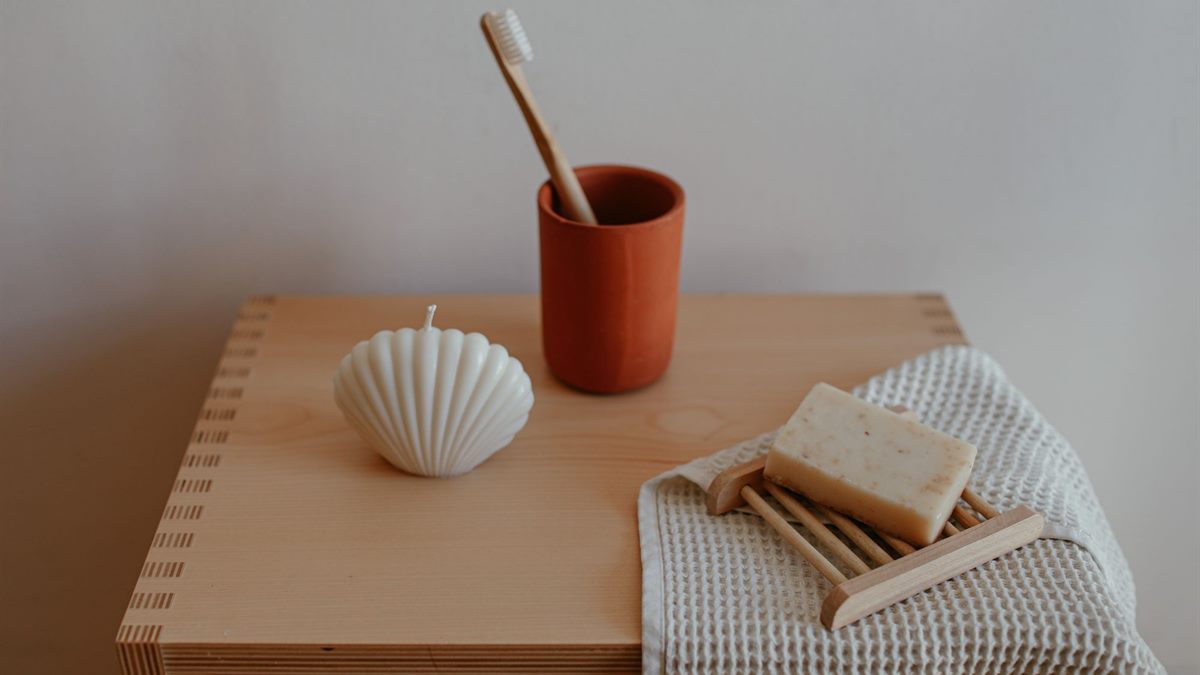
Choose the right containers
Open baskets suit items you grab often; closed boxes suit spare stock and cleaning supplies. Match the container to the shelf depth, and buy one extra only after the first set fits. Clear containers make it easier to see what is running low, which prevents the classic three-bottle shampoo stockpile.
Stackable trays double the usable height inside a cabinet. A simple riser turns one shelf into two and costs very little.
Deal with what does not belong
Some items are in the bathroom by habit rather than need. Cleaning products can live in a kitchen cupboard; spare towels can live in a bedroom; cosmetics that are rarely used can move to a drawer elsewhere. Removing three items is often worth more than adding one shelf.
Once the room has a place for everything, a weekly two-minute reset keeps it that way. If the storage problem is really a renovation question, the guide to kitchen renovation budgeting covers how to plan a project without overrunning.
A last check before buying: stand in the room and open every door and drawer. Storage that blocks the shower door or the window is storage you will move within a week. Keep the floor clear, keep the daily items at hand, and accept that a small room does not need to be full to be useful. Two good shelves often beat four crowded ones, and the room stays easier to clean.
Frequently Asked Questions
What is the best storage for a very small bathroom?
A tall narrow unit plus wall shelves above eye level. Use height rather than floor area, and keep daily items within easy reach.
How do I stop bathroom storage from going mouldy?
Ventilate during and after showers, choose moisture-resistant materials, and avoid untreated particle board near the shower. Wipe bottle bases to prevent water rings.
Is over-toilet storage a good idea?
It can be, if the unit is shallow enough not to crowd the room and is fixed securely. Measure the clearance and check that it does not block the cistern lid.
How deep should bathroom shelves be?
About fifteen to twenty centimetres for bottles and towels. Deeper shelves waste space in a small room and make items harder to reach.