Small Bedroom Layouts That Leave Room to Move
A small bedroom feels cramped when the bed blocks the path. Move the bed first and let the furniture follow.
Draw the room on paper with the door and window positions before moving any furniture. Place the bed so the door opens onto floor space, not onto the foot of the bed. Start by writing down what the room must do, not what it looks like on a shop shelf.
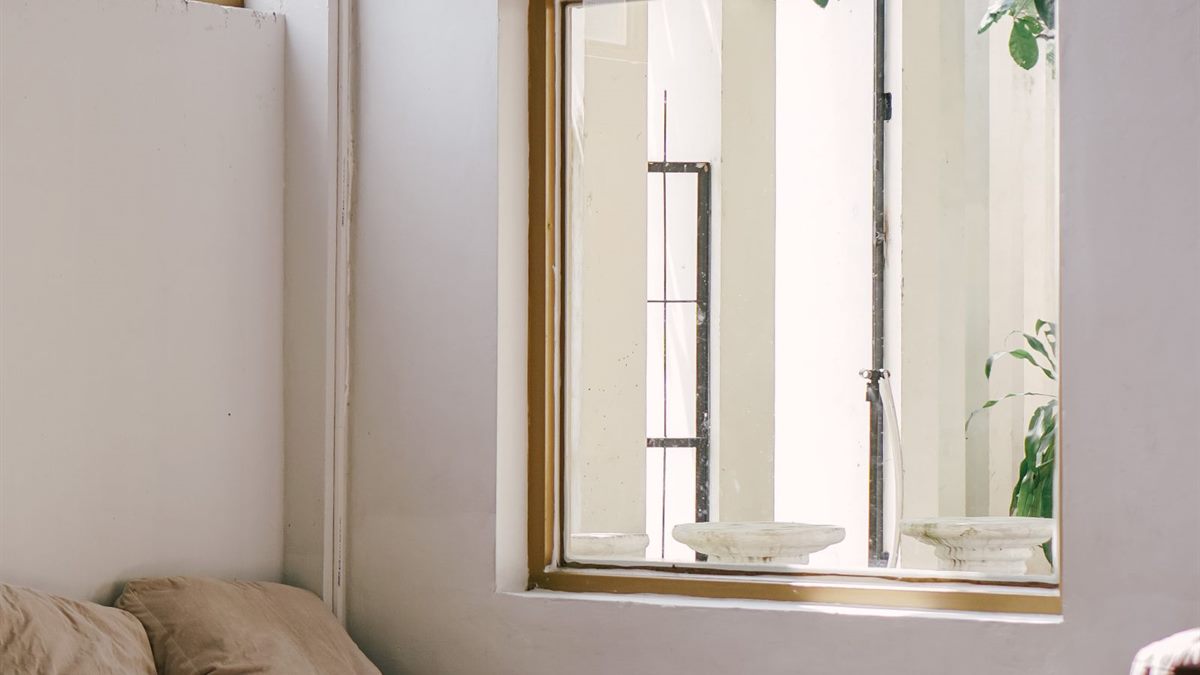
Measure the space first
Leave at least sixty centimetres on the side where you get in, and less on the other if space is tight. A bed against a corner works for one person but makes changing the sheets harder. The cheapest option is usually the one that matches the measurements you already took.
Choose the simplest fix
Use wall lights or plug-in sconces instead of two bedside tables to free floor space. Choose a shallow chest of drawers rather than a deep wardrobe if the room is narrow. Small rooms punish deep furniture and reward anything that uses height instead of floor area.
Before buying anything, walk the room and note the measurements, the light, and the route people actually take. Most home projects fail because the plan was made in a shop rather than in the room itself. A five-minute survey saves a return trip and often changes the choice completely. Keep the receipt until the item is fitted and working, and photograph the finished result.
Use the height above the bed for a shelf, but keep it shallow so it does not loom. A fix that needs a ladder or a special tool every week will stop being used within a month.
A short checklist before you start
- Keep the door swing clear
- Leave 60 cm beside the bed
- Use wall lights instead of tables
- Keep one empty corner
Watch the moisture and the fixings
A mirror opposite the window bounces light and makes the room feel larger. Keep the floor visible under the bed rather than storing boxes that block the light. Write the plan down and give it a deadline, because home jobs expand to fill the free time available.
Choose a rug that fits under the bed and extends at the sides, which visually widens the room. Curtains hung close to the ceiling make the window and the wall look taller.
Make it easy to maintain
Leave one clear corner without furniture, because a small room needs breathing space. A folding desk or a wall-mounted flap gives a workspace without a permanent footprint. Buy the fittings before the furniture, since the fixing decides whether the idea is possible at all.
If the first attempt does not solve the problem, change one variable rather than starting over. Home improvements are usually a sequence of small corrections, not a single perfect decision. Give each change a week before judging it, and write down what you did so the next adjustment starts from evidence rather than memory. Stop when the room works, not when it looks like a catalogue.
Check the door swing and the wardrobe opening before finalising the layout. Keep colours light on the walls and use texture rather than pattern to add interest. The best layout is the one you can walk through in the dark without hitting anything. If you want the wider picture, read A Home Office Corner That Does Not Take Over before you decide.
For the underlying guidance, see the InterNACHI home maintenance guidance.
Frequently Asked Questions
Where should a bed go in a small room?
Where the door opens onto floor rather than onto the bed. Usually the wall opposite or beside the door.
How much space do I need beside a bed?
At least sixty centimetres on the main access side. Less is workable on the other side.
How do I make a small bedroom feel bigger?
Keep the floor visible, use light colours, add a mirror, and leave one corner empty.
Can I fit a desk in a small bedroom?
Yes, with a wall-mounted flap or a narrow desk beside the bed. Avoid full-depth desks in narrow rooms.