Planning a Budget City Break That Still Feels Like a Holiday
A city break is cheap or expensive before you leave. Dates, location, and transport decide most of the cost; the rest is daily spending.
A city break has three big costs: transport, accommodation, and food. The first two are decided before you go, and they set the tone for everything else. Get those right and the daily spending has room to be enjoyable rather than anxious.
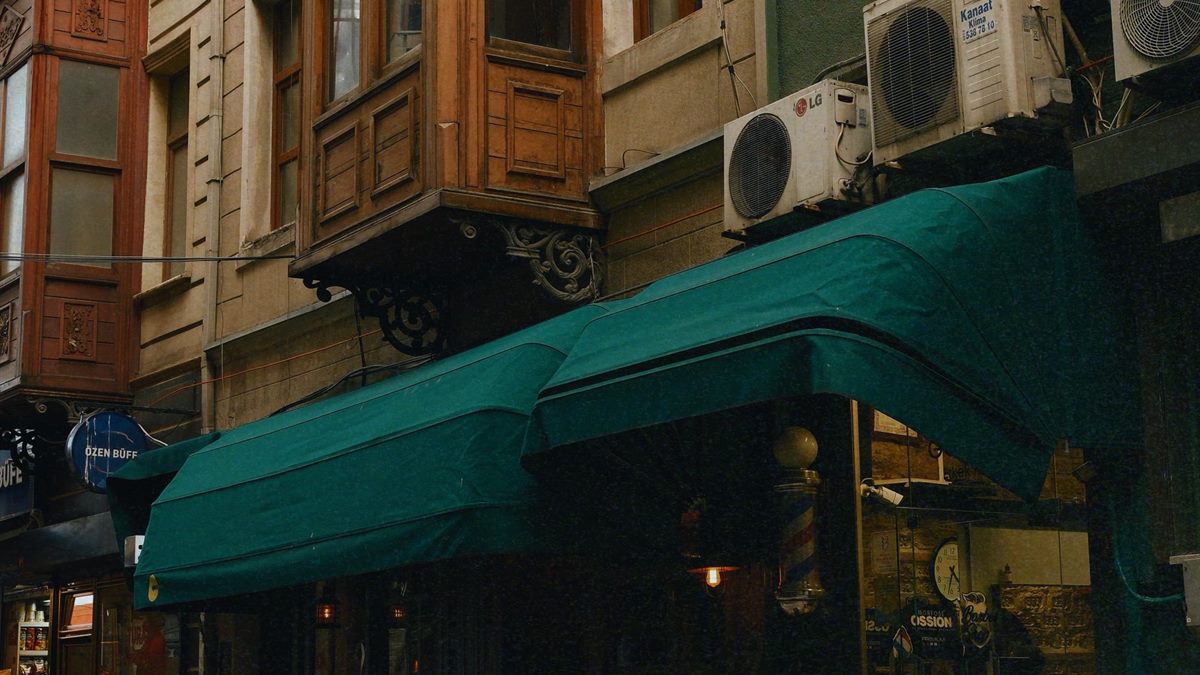
Choose dates with flexibility
Friday to Sunday is the most expensive version of any city. Shifting by one day, or travelling Tuesday to Thursday, often cuts accommodation and transport by a third. If your dates are fixed, book earlier and accept the premium.
Check school holidays and local events. A trade fair or a major match can double hotel prices in a city you thought was cheap.
Stay slightly outside the centre
A hotel two or three stops from the old town is often much cheaper and quieter, and the transport cost is small. Check the route from the station, the frequency of the service, and whether it runs late.
Weigh the saving against time. A cheap room an hour away can turn a short break into a commute.
Book transport early and directly
- Compare the total cost, including baggage and seat fees.
- Book rail early; prices rise as the date approaches.
- Check station transfers, not just the main journey.
- Use a card with no foreign transaction fee.
- Keep bookings in one folder offline.
Budget food realistically
Set a daily food budget and split it between one sit-down meal and the rest from markets, bakeries, and supermarkets. A hotel breakfast is worth it only if it replaces a meal you would otherwise buy.
Book one meal you are excited about and keep the others casual. The memorable meal is rarely the expensive one; it is the one you chose deliberately.
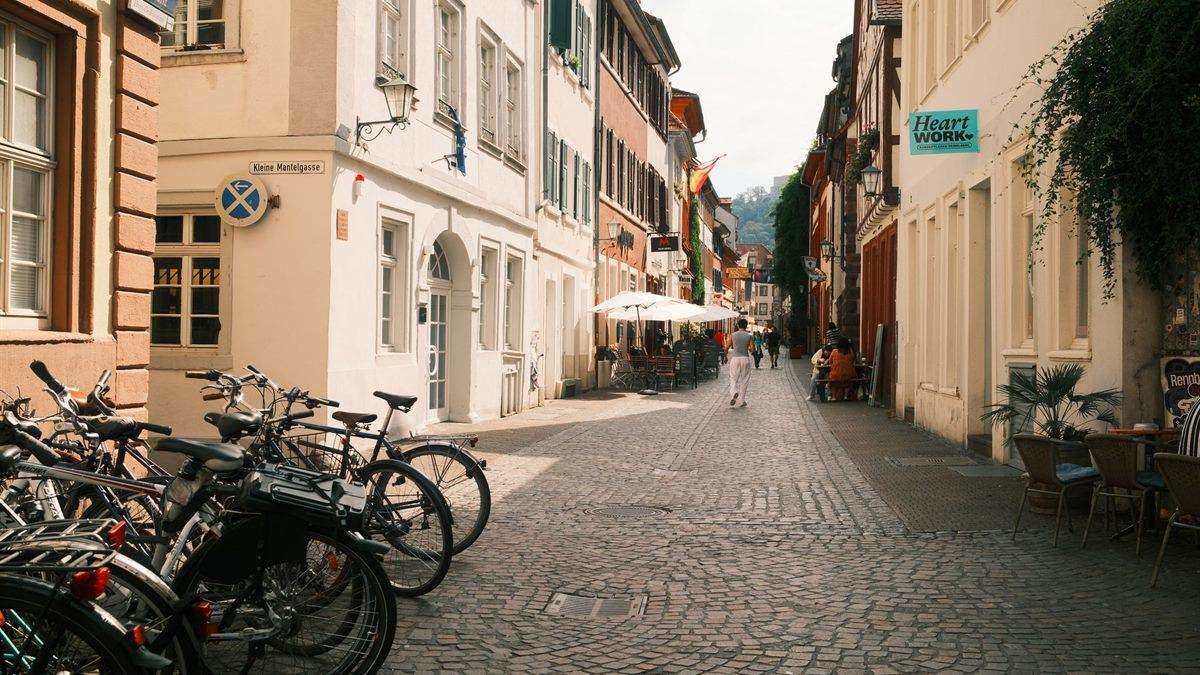
Choose free sights first
Most cities have free walking routes, markets, parks, and viewpoints. Pick two paid attractions maximum and build the days around them. A city seen on foot from a free route often beats a queue for a famous building.
Check opening days before planning; small museums close on Mondays more often than not.
The honest total
Add transport, accommodation, food, local transport, attractions, and a small buffer. Divide by the number of days to get a daily figure you can compare with other trips. The Rick Steves travel tips cover planning and budgeting conventions for European cities.
If the trip involves only hand luggage, the guide to carry-on packing covers the bag side.
Finally, plan the first and last day deliberately. Arrival day is often lost to transport, and departure day to check-out times. Put the booked attraction on the middle day and keep the edges light. A short break with two strong days beats a packed itinerary that starts with a missed train and ends with a rushed airport run.
Keep the booking confirmations offline and screenshot the map of the area around the hotel. Roaming data fails at the worst moment, and a screenshot does not need a signal.
Set a daily cash limit for the small spending that is easy to forget: coffee, snacks, transport tickets, and entrance fees. Those items, not the hotel, are what turn a careful budget into a surprise.
Frequently Asked Questions
When is the cheapest time for a city break?
Midweek, outside school holidays and major local events. Shifting from Friday to Tuesday or Wednesday often cuts accommodation and transport substantially.
Is it better to stay in the city centre?
Not always. A hotel two or three stops out is often cheaper and quieter, and the transport cost is small. Weigh the saving against travel time.
How much should I budget for food?
Set a daily figure and split it between one sit-down meal and casual food from markets and supermarkets. Book one meal you are excited about and keep the rest simple.
Should I book attractions in advance?
For popular sites with timed entry, yes. Otherwise choose two paid attractions maximum and use free walking routes, markets, and parks for the rest.