Eating Well on a Budget Trip
Good food on a budget comes from shopping where locals shop and eating one proper meal a day rather than three tourist meals.
Shop at markets and supermarkets for breakfast and snacks, which saves the most money. Eat one proper meal out per day rather than three, and choose lunch over dinner. Most trip costs are fixed before you leave, so the planning decides the budget more than the spending.
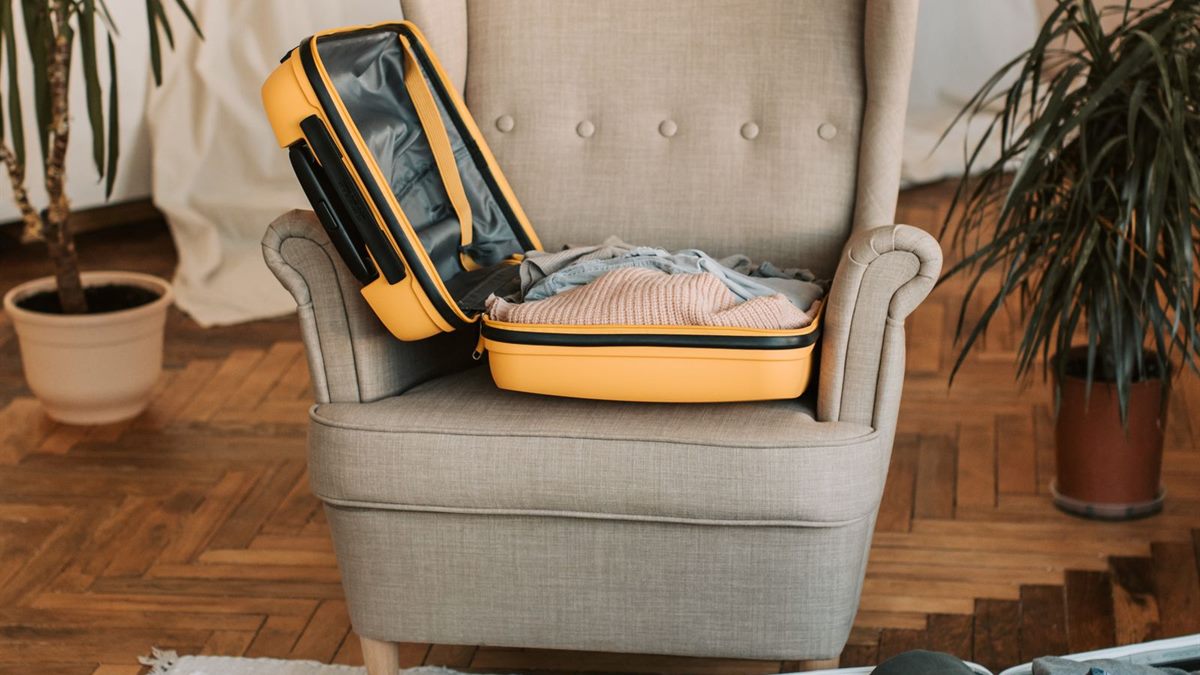
Decide the constraints first
Walk one street away from the main tourist strip for better value. Look for places with a short menu, which usually means fresh food and fair prices. Compare the total price, including bags, transfers, and the cost of getting to the station.
Book the cheap parts early
Carry a water bottle and refill it where the water is safe. Try local street food from busy stalls with high turnover. A short trip with two strong days beats a packed itinerary that starts with a missed connection.
Before booking anything, write down the dates, the budget, and the one thing the trip is for. Most travel stress comes from plans that tried to include everything rather than from a lack of options. Book the fixed parts early and leave the rest flexible, since the best day is often the one that changed. Keep copies of every booking offline, and check the cancellation terms before paying. A small notebook for bookings, times, and addresses is still faster than unlocking a phone in a queue. It also works when the battery is gone, which is exactly when you need it most. Keep the important details in one place and update them as the plan changes.
Avoid restaurants with photos of every dish on the menu, which often trade on location. Write the plan in pencil; the best part of a trip is usually the thing you did not schedule.
Before you book
- Shop markets for breakfast
- One main meal out per day
- Step off the tourist strip
- Carry a refillable bottle
Leave room for the day itself
Buy fruit and bread for the journey rather than airport food. Ask the accommodation for the nearest local market and bakery. Keep the documents and bookings offline, because airport Wi-Fi fails at the worst possible moment.
Check whether tap water is safe before refilling, and use a filter if unsure. Share dishes where portions are large, which also lets you try more.
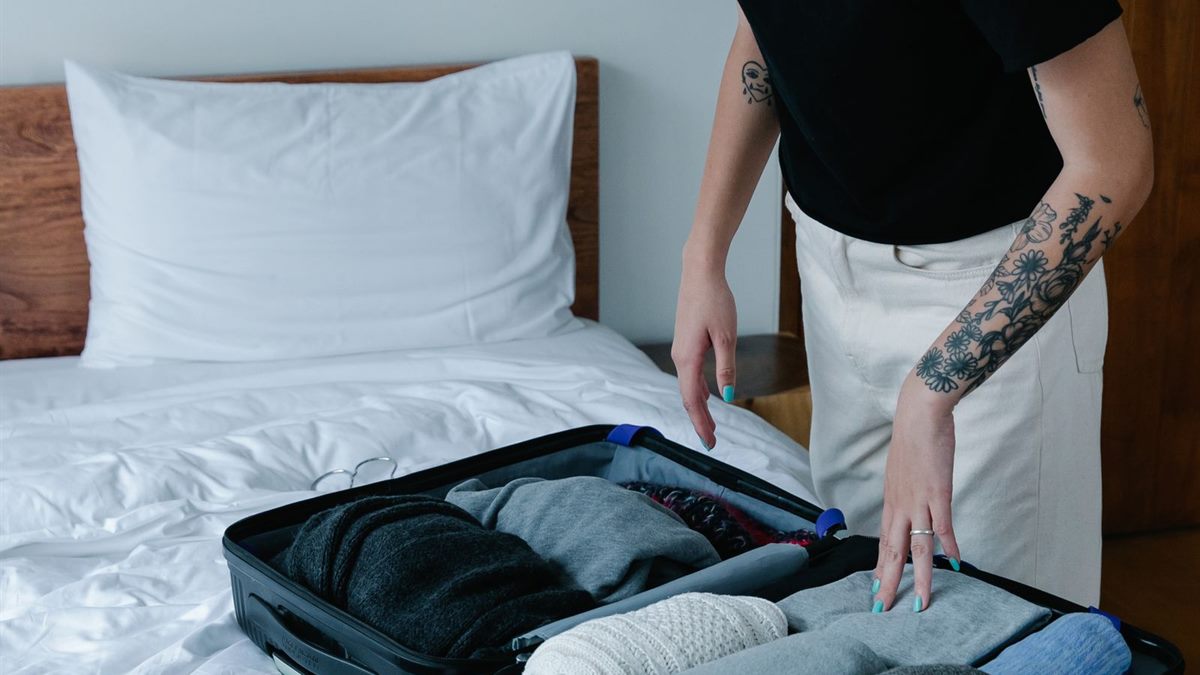
Spend on what you remember
Keep a small supply of nuts or crackers for late arrivals. Eat where the staff eat, which is usually a good sign. Pack less than you think and carry the difference in attitude rather than in a second bag.
If something goes wrong, solve the next step rather than the whole trip. Travel plans rarely fail completely; they usually need one booking changed or one afternoon rearranged. Keep the important numbers, the documents, and a little cash separate from the main bag. The trip you remember is rarely the one that went exactly to plan, so leave room for the day to decide.
Budget for one special meal rather than spending on several average ones. A supermarket picnic in a park often beats a restaurant with a view. Eating well on a budget is mostly about where you eat, not how little you spend. If you want the wider picture, read Travelling With Kids Without Losing the Day before you decide.
For the underlying guidance, see the TSA travel guidance.
Frequently Asked Questions
How do I eat cheaply while travelling?
Shop at markets, eat one main meal out, and avoid restaurants on the main tourist street.
Is street food safe?
Usually, if the stall is busy and the food is cooked fresh. Use judgement and avoid lukewarm food.
Can I drink tap water abroad?
Check locally. If unsure, use bottled or filtered water, and avoid ice in some places.
How much should I budget for food?
It varies by country, but plan one paid meal a day plus groceries. That keeps costs predictable.