Packing for Weather That Cannot Decide
Layers beat a heavy coat when the weather changes. One waterproof shell covers more situations than three jackets.
Build the wardrobe in layers: a base layer, a warm mid layer, and a waterproof shell. Choose one waterproof shell rather than several jackets. Most trip costs are fixed before you leave, so the planning decides the budget more than the spending.
Decide the constraints first
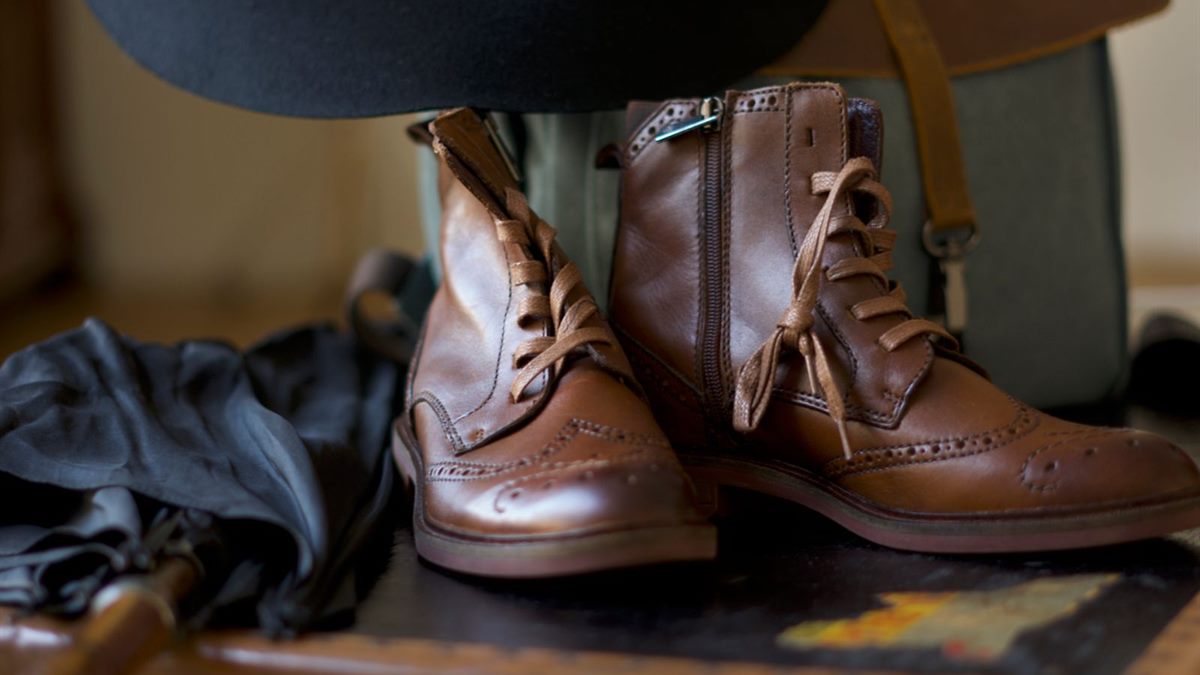
Pack quick-drying fabrics, which are easier to wash and dry in a hotel room. Take shoes that handle wet pavements and have room for thick socks. Compare the total price, including bags, transfers, and the cost of getting to the station.
Book the cheap parts early
Avoid cotton for the base layer, since it stays wet and cools the body. Choose colours that work together, so fewer items make more outfits. A short trip with two strong days beats a packed itinerary that starts with a missed connection.
Before booking anything, write down the dates, the budget, and the one thing the trip is for. Most travel stress comes from plans that tried to include everything rather than from a lack of options. Book the fixed parts early and leave the rest flexible, since the best day is often the one that changed. Keep copies of every booking offline, and check the cancellation terms before paying. A small notebook for bookings, times, and addresses is still faster than unlocking a phone in a queue. It also works when the battery is gone, which is exactly when you need it most. Keep the important details in one place and update them as the plan changes.
Pack a small umbrella that fits in a day bag. Write the plan in pencil; the best part of a trip is usually the thing you did not schedule.
Before you book
- Pack three layers
- One waterproof shell
- Quick-dry fabrics only
- Keep the shell accessible
Leave room for the day itself
Include a warm hat and gloves for shoulder seasons, even if the forecast is mild. Check the wind as well as the rain, since wind makes a light jacket useless. Keep the documents and bookings offline, because airport Wi-Fi fails at the worst possible moment.
Pack a spare pair of socks, which is the item people forget on wet days. Use a waterproof bag or cover for electronics.
Spend on what you remember
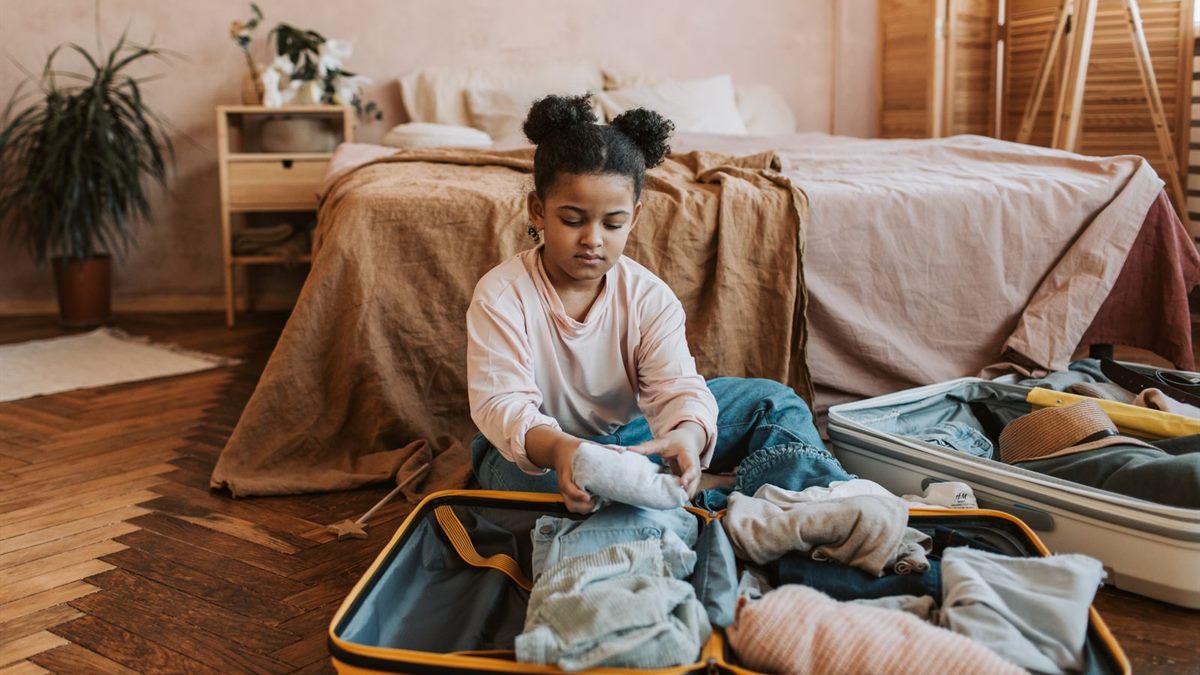
Keep the shell accessible rather than at the bottom of the bag. Choose trousers that dry quickly rather than heavy denim. Pack less than you think and carry the difference in attitude rather than in a second bag.
If something goes wrong, solve the next step rather than the whole trip. Travel plans rarely fail completely; they usually need one booking changed or one afternoon rearranged. Keep the important numbers, the documents, and a little cash separate from the main bag. The trip you remember is rarely the one that went exactly to plan, so leave room for the day to decide.
A scarf adds warmth without much weight. Test the layers before travelling, so you know they fit together. Layers and one good shell are worth more than a large suitcase of options. If you want the wider picture, read A Carry-On Packing List for a Week Away before you decide.
For the underlying guidance, see the TSA travel guidance.
Frequently Asked Questions
How do I pack for changeable weather?
Use layers: base, mid, and waterproof shell. Quick-dry fabrics and spare socks make a big difference.
Do I need a rain jacket in summer?
A light shell is worth carrying in most climates, especially in the mountains or near the coast.
What shoes should I pack?
One pair that handles wet pavements and one comfortable walking pair. Avoid shoes that soak through.
How many layers do I need?
Three is enough for most trips: a base layer, a warm mid layer, and a waterproof outer layer.